
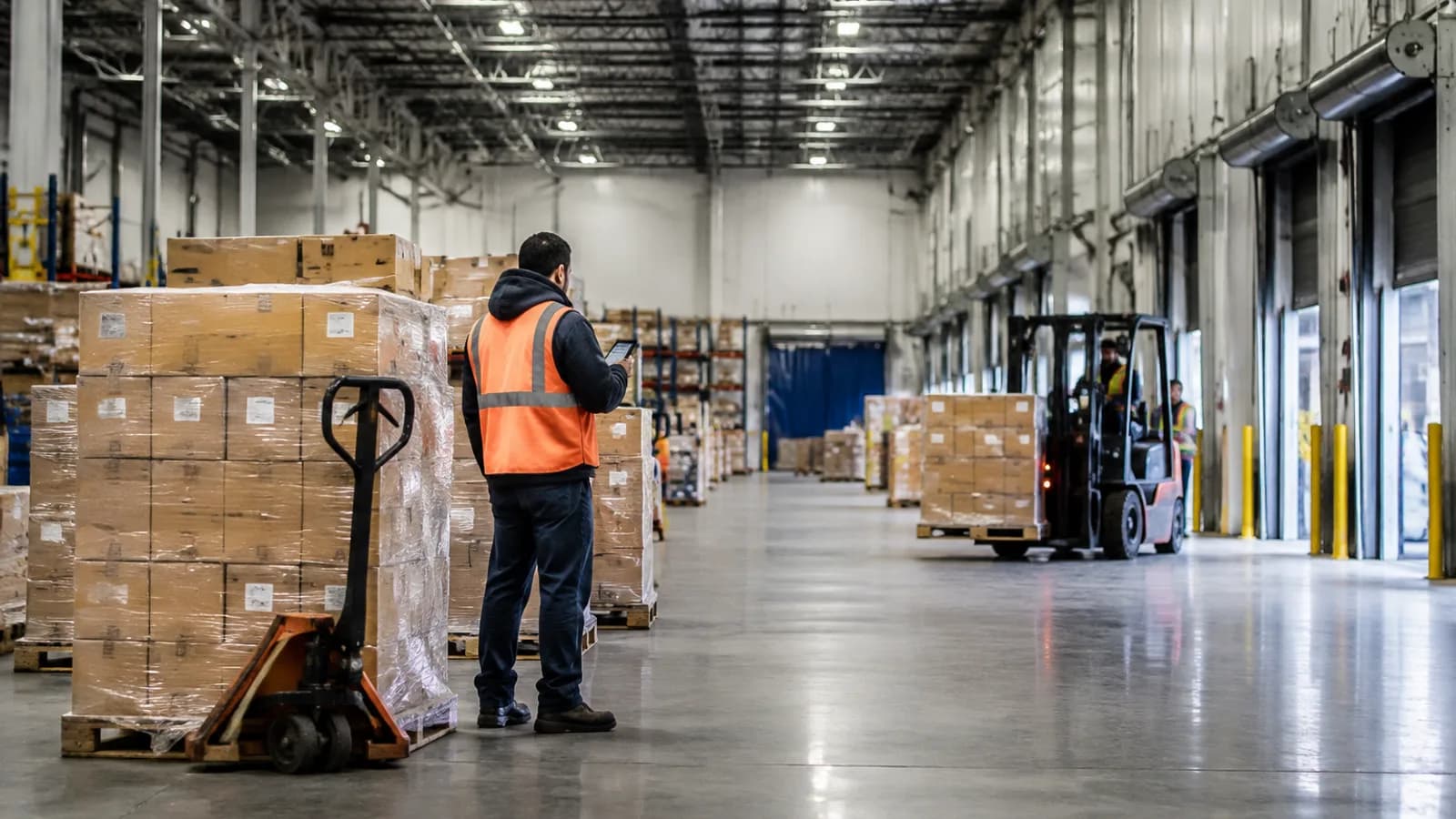
United States fulfillment intake FBA and 3PL inbound
Ocean, air and delivered inbound for US FBA, 3PL and brand warehouses.
Plan this routeConfirm the US importer of record, bond, classification, value, origin and product-agency requirements before departure.
- Los Angeles / Long Beach
- New York / New Jersey
- Savannah
- LAX
- Chicago O'Hare
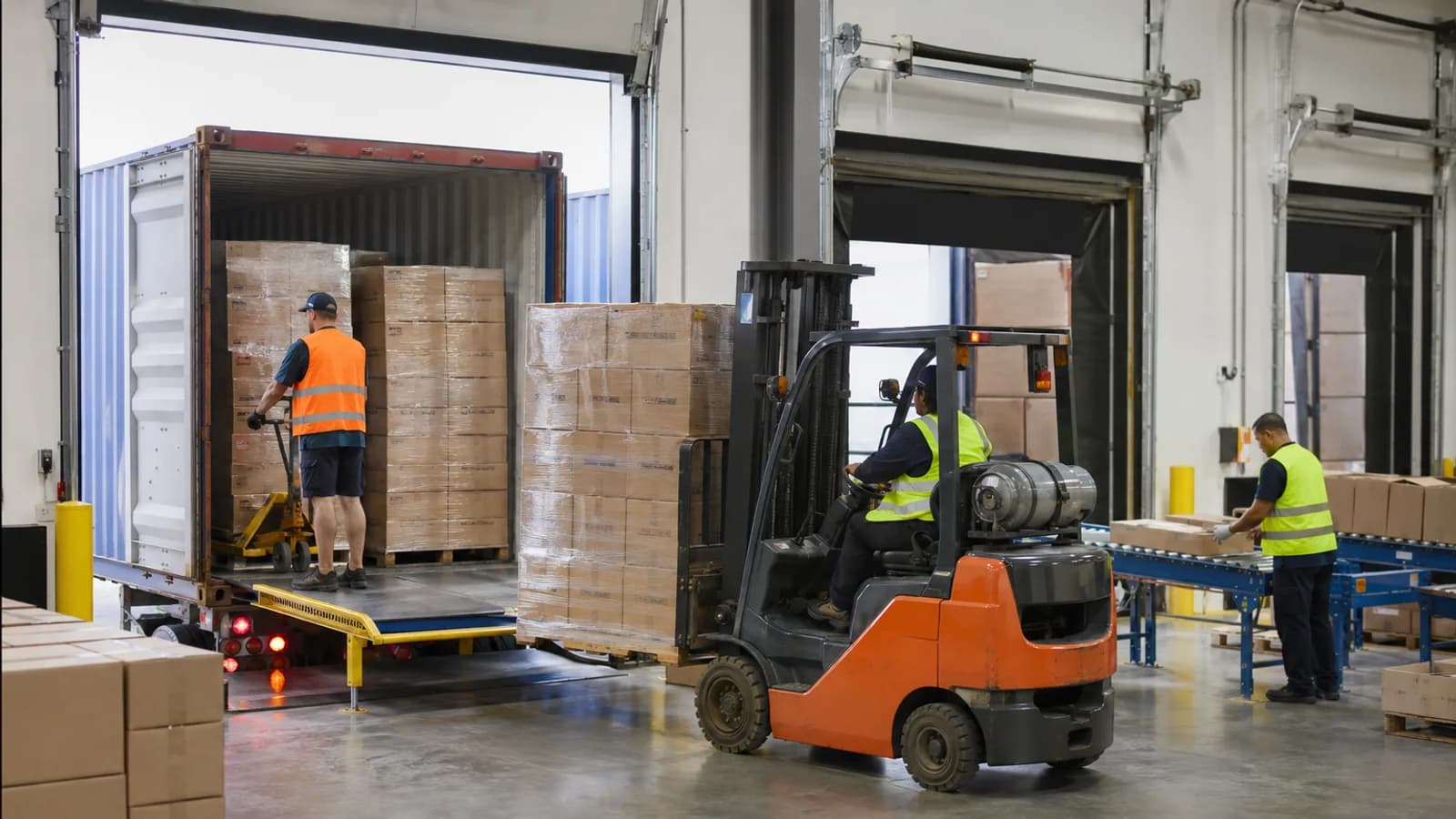
Gateway selection is only complete when the receiver can accept the load.
US fulfillment inbound control from China
This route page is for sellers and importers moving commercial inventory from China into US FBA, 3PL or DTC receiving networks.
Shipping from China to US Amazon FBA requires a US importer of record, broker and customs file plus a separate fulfillment delivery plan. Choose ocean or air from the required available-stock date, then include origin handling, entry, port or airport release, inland delivery and receiving.
Reviewed 11 August 2026. Shipment-specific confirmation is required before booking.Build the plan from confirmed inputs.
- Ocean gateways
- Los Angeles/Long Beach, New York/New Jersey and Savannah are common options
- Air gateways
- LAX, Chicago O'Hare and other cargo airports based on routing
- Customs
- Importer, bond, HTS, value, origin and agency requirements
- Final delivery
- Appointment-capable FBA or 3PL handoff
Choose a US gateway from the final destination
The closest port on a map is not always the best total route. Compare sailing or flight availability, congestion, destination handling, customs handoff, inland distance and the receiving window.
West Coast gateways can fit western destinations and faster transpacific sailings, while East or Gulf routes may reduce inland mileage for other regions. Model the complete origin-to-warehouse timeline.
Prepare the US importer and customs file
Identify the importer of record, customs broker and bond before departure. Provide a specific product description, Harmonized Tariff Schedule classification review, value, origin and any product-agency evidence.
China-origin goods may face Section 301 duties depending on current classification and rules. Use U.S. International Trade Commission, USTR and CBP sources and obtain broker confirmation for the actual entry.
Select ocean, air or a split plan
Ocean is the baseline for planned volume, air supports urgent replenishment and express can fit eligible small parcels. Compare the date stock becomes usable and the full delivered cost.
For stockout recovery, send a controlled SKU quantity by air and the balance by ocean. Keep invoices, packing lists, entries, labels and receiving references correct for each shipment.
Complete final delivery
After customs release, cargo may need terminal pickup, CFS release, transload, palletization and an appointment-capable carrier. Confirm free time, chassis, waiting, storage and redelivery exposure.
A warehouse address is not the importer. Send final destination references separately and track proof of delivery, receiving and available inventory as distinct events.
Build a US route request
Send origin city, supplier count, destination, product, value, cartons, dimensions, weight, ready date, required stock date, Incoterm, importer status and restricted characteristics.
Ask for routing assumptions, customs responsibilities, included destination work, official-source dependencies and the events that would require re-quotation or a different mode.
Questions to resolve before release.
Answers are planning guidance. Current carrier, customs, tax, product and receiving rules still require shipment-specific confirmation.
How long is shipping from China to US FBA?
The total depends on origin, mode, gateway, customs, inland delivery and receiving. Use a shipment-specific origin-to-available-stock range rather than only sailing or flight time.
Who is the importer for US FBA inventory?
The seller or another legitimate entity must establish the importer arrangement. Do not assume the fulfillment warehouse or marketplace acts as importer.
Which US port should I use?
Compare carrier service, port and CFS handling, customs, inland distance, appointment timing and total cost for the actual destination.
Are Section 301 duties always charged?
They depend on current classification and applicable measures or exclusions. Verify the actual product through official sources and the appointed broker.
Define what a successful warehouse handoff means.
Send the receiving destination, product, finished load data, factory release date and required check-in window.
Build the brief