
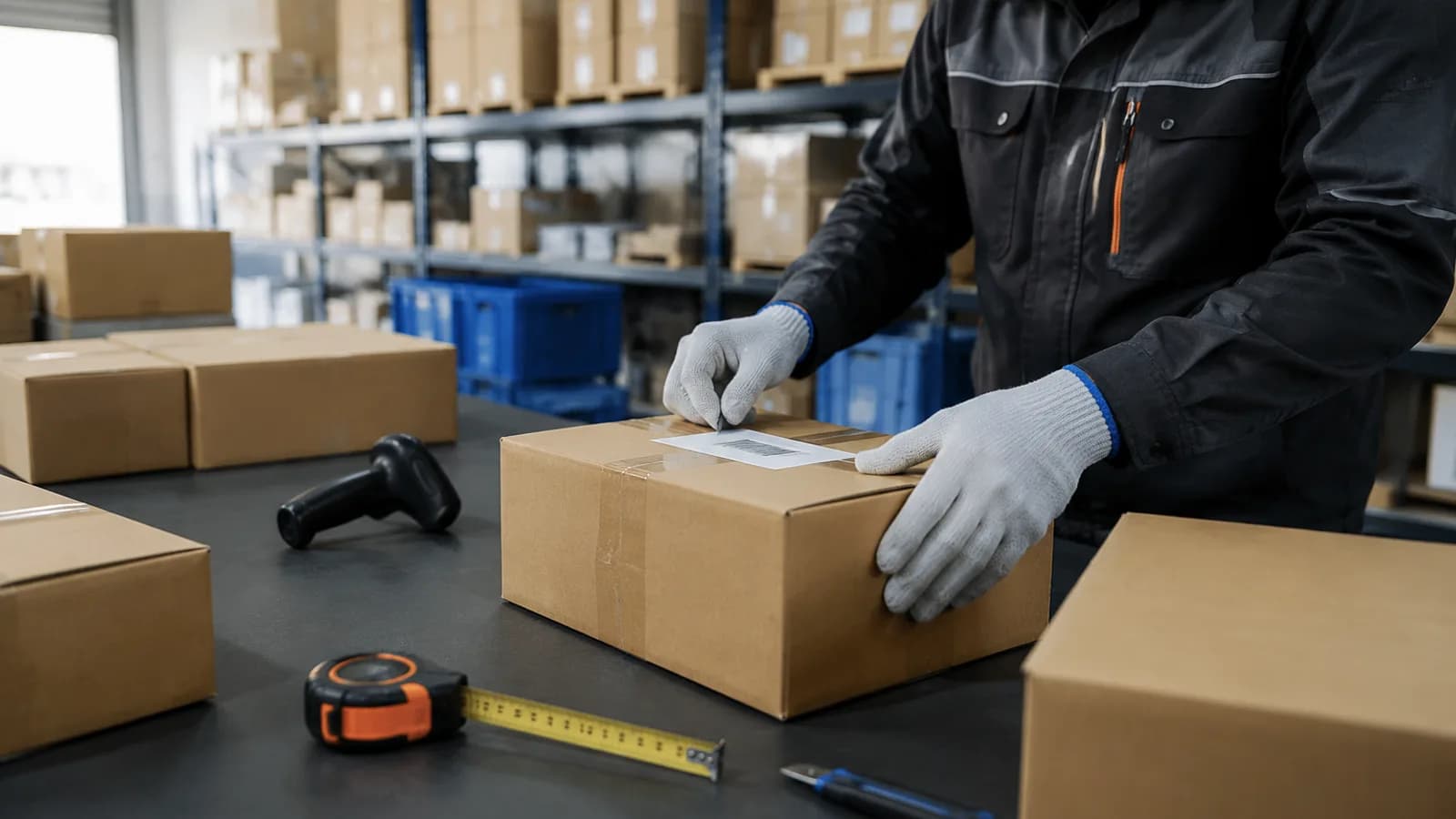
Choose a control module from the likely failure point.
Prepare release, entry, recovery and receiving evidence for the inventory movement already under consideration.
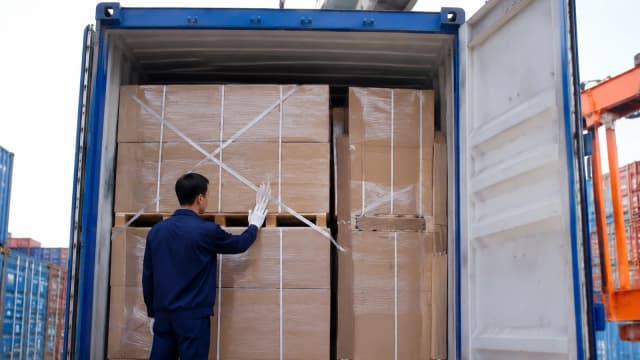
Ocean replenishment intake
FCL and LCL programs that connect factory release to US or Canadian fulfillment receiving.
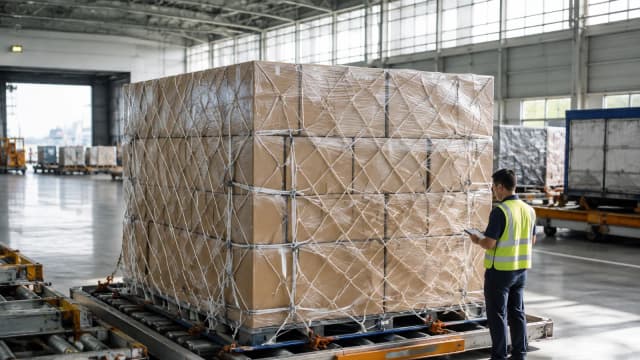
Priority replenishment recovery
Urgent inbound planning for launches, stockout recovery and higher-value inventory.
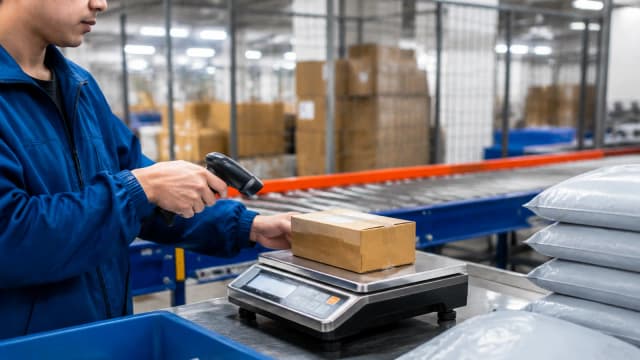
Small-parcel recovery intake
Courier movement for samples, replacement stock and eligible smaller carton shipments.
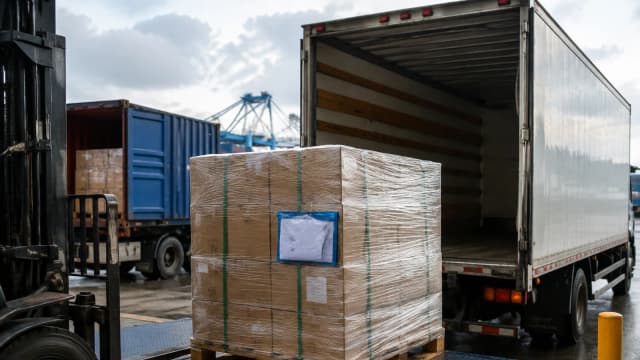
Landed-scope receiving handoff
A controlled supplier-to-warehouse plan with importer and duty responsibilities made explicit.
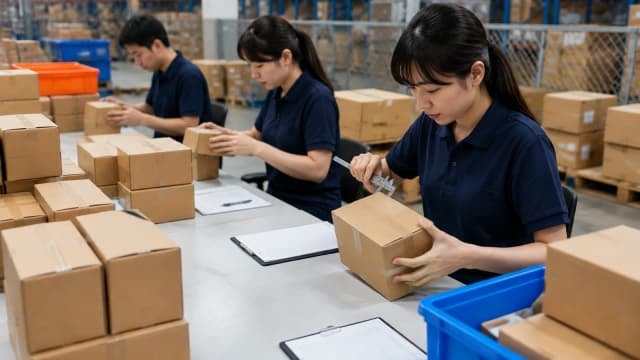
Origin release gate
China-side receiving, count, label-position and packaging checks before international transport.
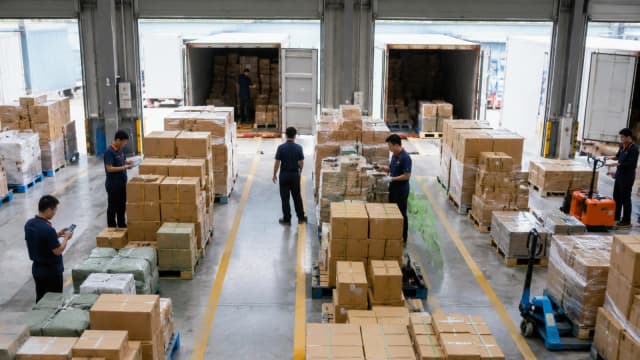
Multi-supplier intake board
Combine several Chinese factories into one controlled FBA, 3PL or DTC inbound.
North America inbound control modules
North America inbound control modules address a specific point of failure: origin release, urgent replenishment, landed-scope responsibility, supplier intake or receiving acceptance. Select the module from the unresolved handoff, then attach it to the shipment movement already under consideration.
International transport modes
Sea freight supports planned FCL and LCL inventory. Air freight protects urgent or higher-value stock. Express fits eligible samples and smaller parcels. Each option has different billing, acceptance, customs and final-delivery controls.
Compare all modes from supplier pickup through warehouse receiving. A faster main leg does not fix missing product evidence, importer problems or an unavailable appointment.
Origin services that prevent downstream cost
FBA prep and inspection can reconcile cartons, labels and packaging before release. Supplier consolidation brings several factories into one controlled cargo record and load plan.
Origin work should have an agreed scope, evidence, exception log and release authority. It reduces preventable errors but does not replace carrier, customs or marketplace acceptance.
Delivered responsibility and exclusions
Door-to-door and DDP plans must name the importer, customs assumptions, duties, taxes, included services and exclusions. All-in language without a breakdown is not a reliable operating scope.
Final delivery needs current references, receiving rules and a recovery plan for storage, waiting, rejection or redelivery. Inventory availability remains the commercial finish line.
Plan with the missing facts visible.
Which freight service is best for FBA inventory?
Choose from the usable-stock deadline, cargo dimensions and weight, value, product restrictions, importer status and receiving rules. Compare complete scopes.
Can services be combined?
Yes. A shipment can use supplier consolidation, origin prep, ocean or air transport, customs coordination and final delivery under one controlled plan.
Do service pages show guaranteed transit times?
No. Published ranges are planning inputs. Current carrier schedules, customs, destination handling and appointments require confirmation.
Can restricted goods use normal freight services?
Only after the exact product and packing configuration are screened and required evidence and carrier acceptance are complete.
Define what a successful warehouse handoff means.
Send the receiving destination, product, finished load data, factory release date and required check-in window.
Build the brief