
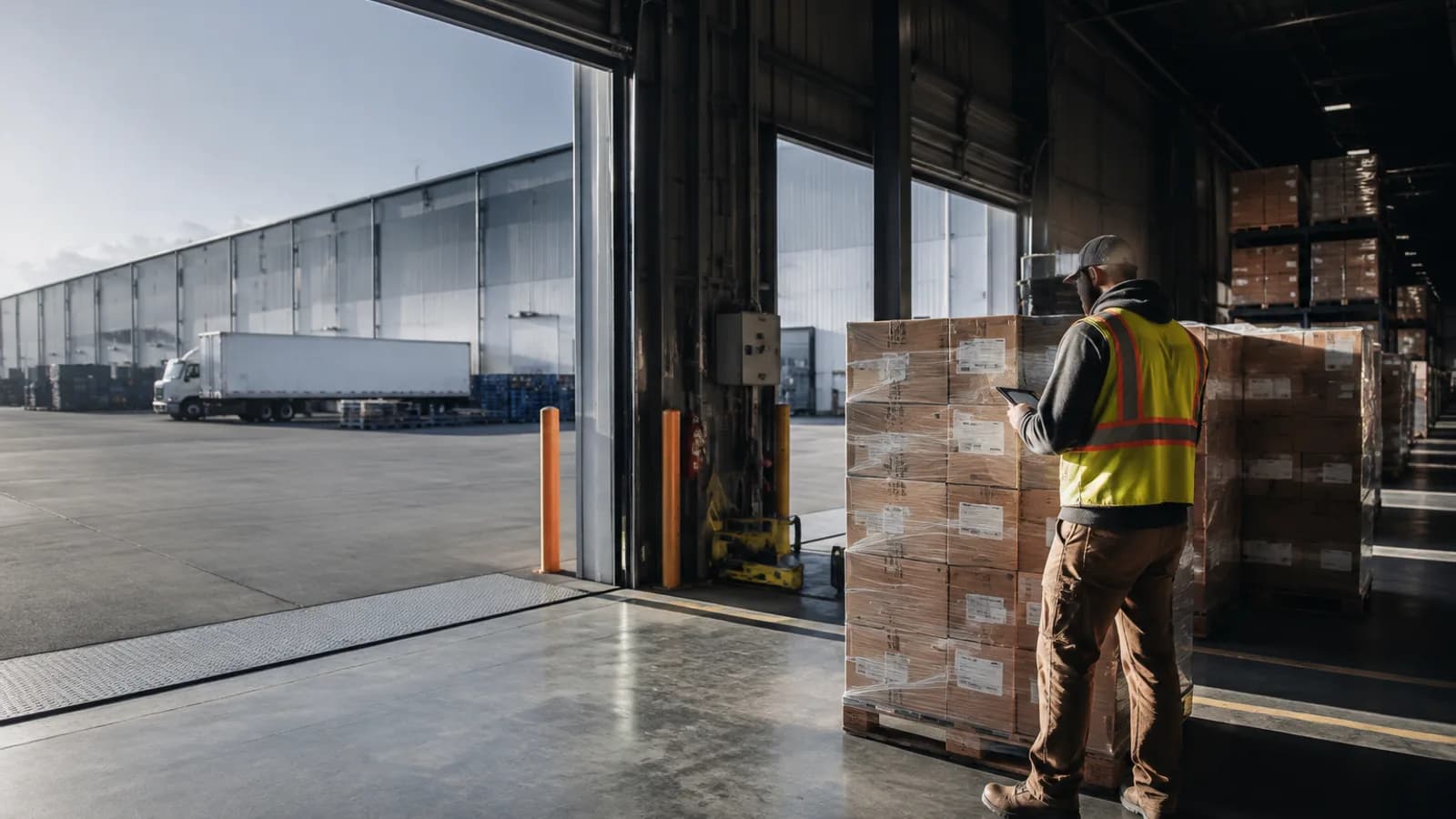
Build the file the receiving system will accept.
Marketplace fulfillment, third-party logistics and brand warehouses each close the inbound with different evidence.
 01
01Amazon FBA receiving path
Connect the shipment plan, commercial import file and scheduled warehouse delivery.
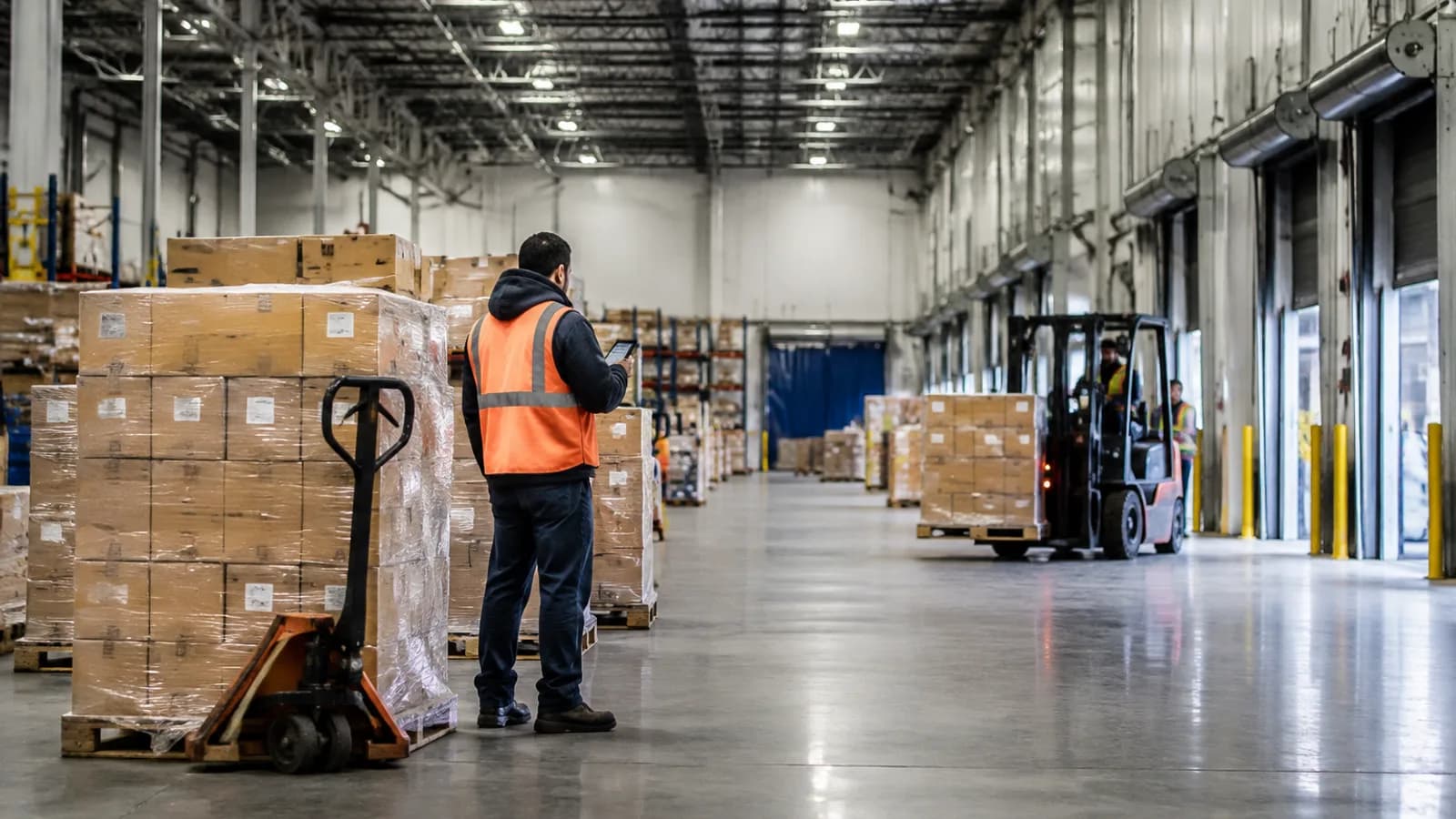
Open workflow02North America 3PL receiving path
Plan freight to the point a 3PL can receive, check and release inventory.
Open workflow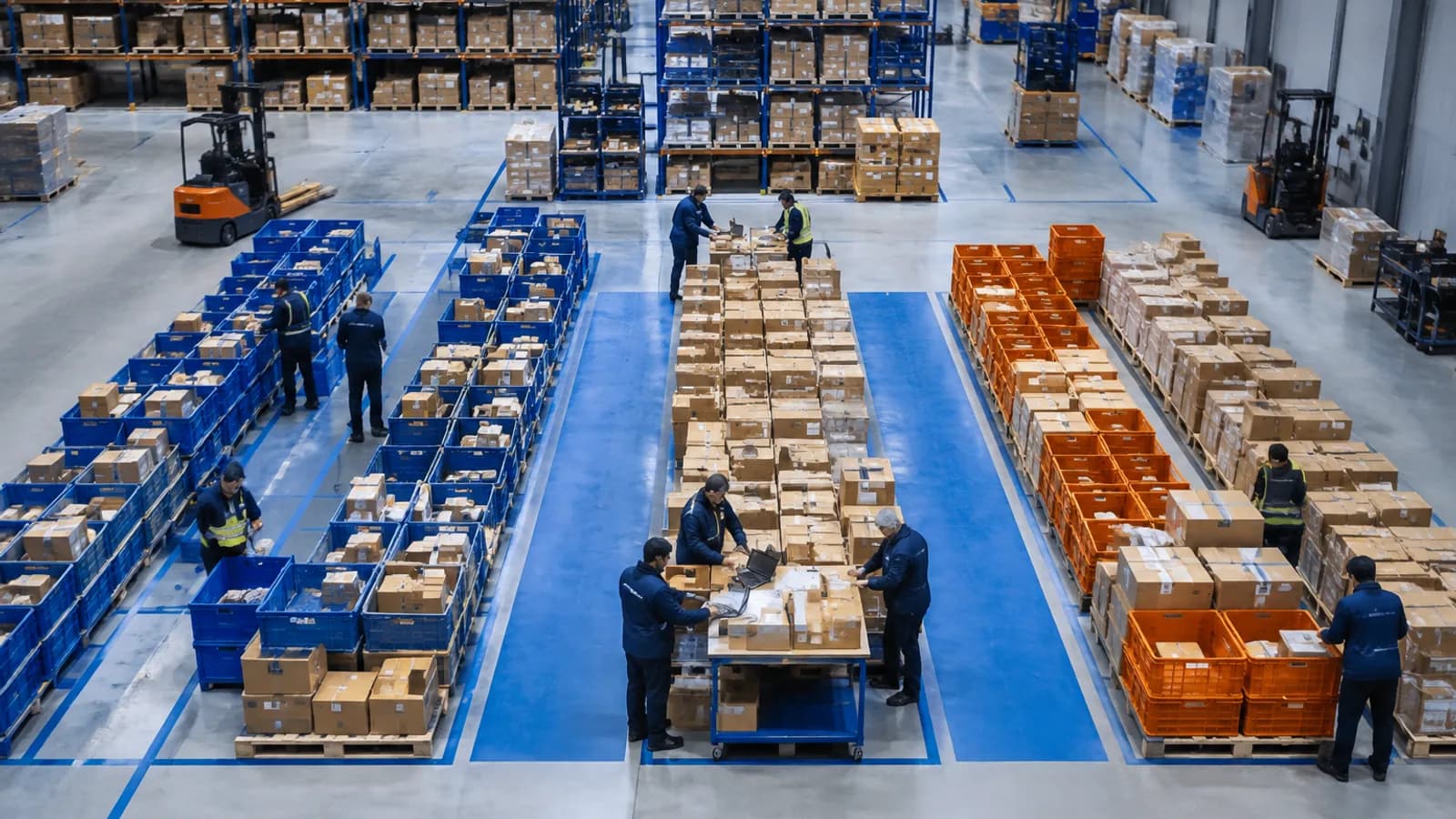 03
03DTC brand receiving path
Shape mode, channel allocation and customs around the date inventory becomes sellable.
Open workflowFBA 3PL and DTC receiving paths
FBA, 3PL and DTC receiving paths close inventory with different evidence. Marketplace references, a 3PL routing guide or a brand warehouse intake record determine the labels, appointment, reconciliation and exception process that must be prepared before final dispatch.
Amazon FBA inbound
FBA shipping connects the current shipment plan, carton and label reconciliation, lawful import entry and an appointment-capable final delivery. Marketplace references do not replace customs data.
Track delivered, received and available quantities separately. Forest Leopard is an independent logistics provider, not an Amazon affiliate or marketplace representative.
North American 3PL inbound
A 3PL routing guide can define ASN, labels, pallets, receiving hours, appointments and discrepancy handling. Obtain it before selecting the final-mile service.
The 3PL warehouse is not automatically the importer. Keep import responsibilities separate from the delivery address and receiving workflow.
DTC warehouse inbound
DTC brands plan around launches, promotions and channel availability. Allocate units across DTC, marketplace, retail and reserve stock before origin labels and load plans are finalized.
After delivery, include inspection, put-away and system availability in the stock date. Proof of delivery alone does not make inventory sellable.
Plan with the missing facts visible.
What is the difference between FBA and 3PL inbound?
FBA follows marketplace shipment and receiving rules, while an independent 3PL follows its routing guide, ASN and warehouse process. Import requirements remain separate.
Can one China shipment serve several channels?
Yes, with controlled consolidation, SKU allocation, labels, commercial files and separate final delivery instructions.
When should channel allocation be decided?
Decide before final packing and shipment release. Late changes can affect cartons, labels, customs documents, appointments and freight cost.
Which milestone should brands plan toward?
Use received and available inventory, including destination receiving and put-away, rather than port arrival or proof of delivery.
Define what a successful warehouse handoff means.
Send the receiving destination, product, finished load data, factory release date and required check-in window.
Build the brief