
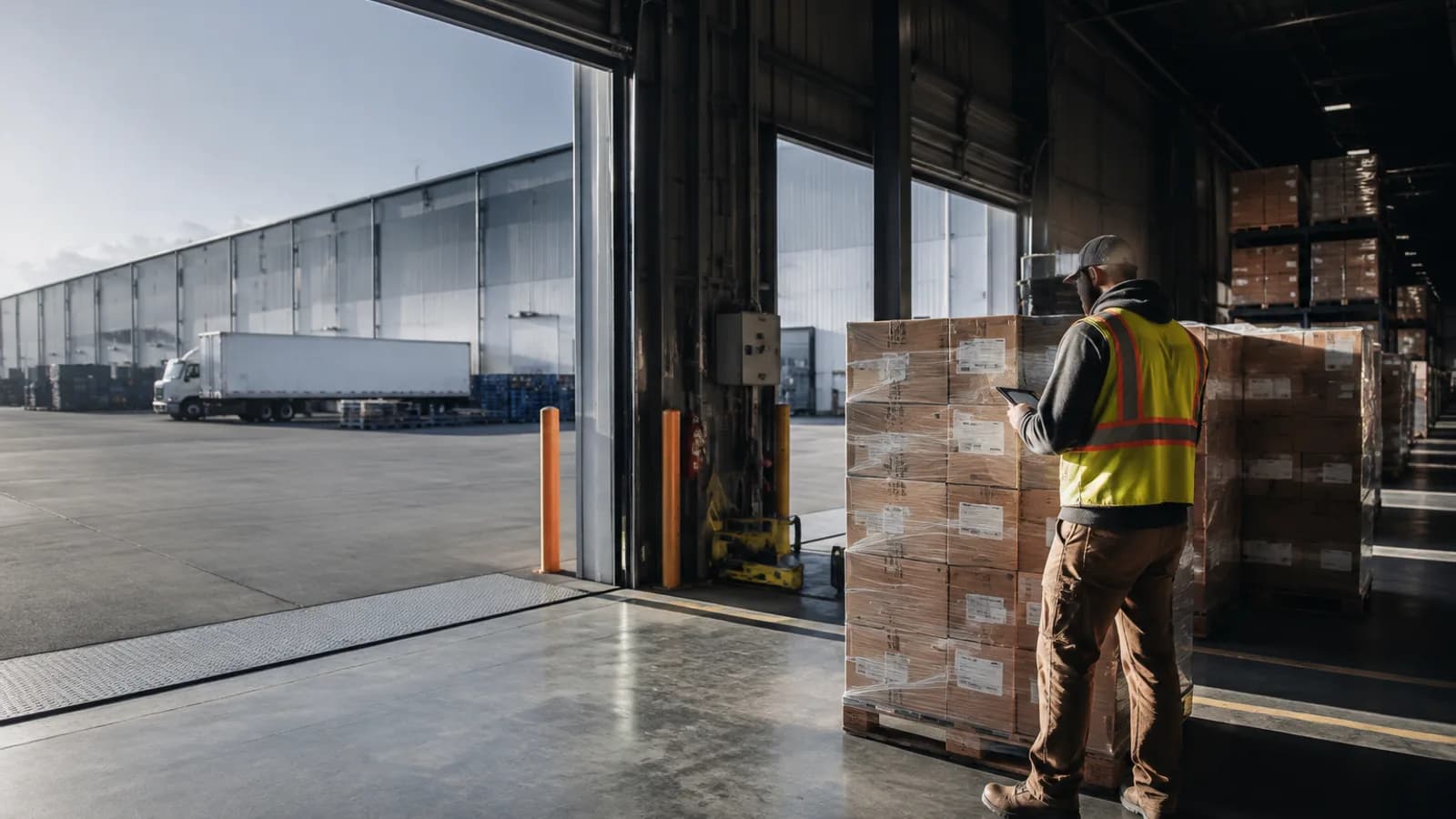
North America 3PL receiving path
Plan freight to the point a 3PL can receive, check and release inventory.
Build this inboundReceiving requirements enter the plan before pickup.
Importer data and warehouse data describe different responsibilities. Both must be complete.
- Routing guide and ASN
- Pallet and label rules
- Receiving cutoff
- Discrepancy owner
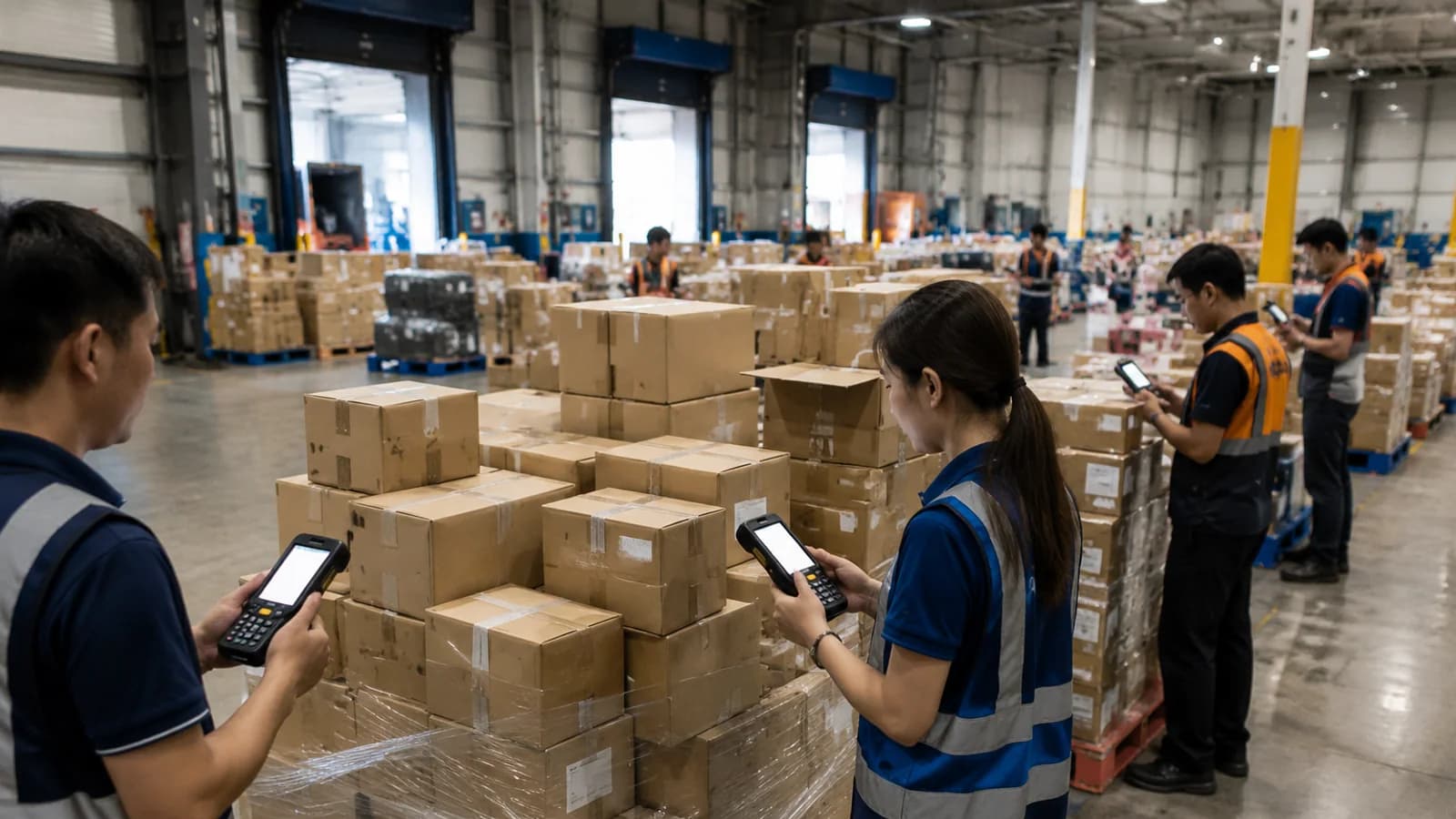
Physical delivery and inventory acceptance remain separate records.
Plan to inventory availability, not proof of delivery.
Delivery, receiving, discrepancy resolution and stock release are separate milestones.
North America 3PL receiving handoff
This solution is for brands and importers delivering from Chinese suppliers to an independent 3PL for storage, fulfillment, retail allocation or marketplace replenishment.
Shipping from China to a US or Canadian 3PL should be planned to the point the 3PL can receive, reconcile and release inventory. Obtain the routing guide, ASN or reference requirements, pallet and label rules, importer setup and receiving cutoff before booking the international movement.
Reviewed 11 August 2026. Shipment-specific confirmation is required before booking.Build the plan from confirmed inputs.
- Destination file
- Routing guide, address, references, hours and appointment process
- Inbound data
- SKU, carton, lot, pallet and ASN information
- Import file
- Importer, broker, classification, value and origin
- Closeout
- Received quantity, damage, discrepancy and available-stock status
Translate the 3PL routing guide into freight controls
A 3PL can set requirements for appointments, ASNs, carton or pallet labels, dimensions, stacking, delivery documents and receiving hours. Capture these rules before mode and final-mile providers are selected.
Assign an owner to create and transmit references. A load can clear customs and still be rejected or delayed if the inbound record, purchase order or appointment does not match the physical delivery.
Connect purchase orders, SKUs and cartons
The supplier packing list, commercial invoice, freight booking and 3PL inbound record should reconcile. Preserve SKU and supplier traceability through consolidation and palletization.
If inventory is divided among channels, approve the allocation before labels and load plans are finalized. Late allocation changes can require new cartons, documents, appointments and delivery routes.
Plan import and freight separately from warehousing
The 3PL receiving address does not make the warehouse the importer. Name the importing entity and broker, then prepare classification, value, origin and product-control evidence for the legitimate transaction.
Choose ocean, air or express based on the required available-stock date and cargo profile. Include customs, transload, deconsolidation and inland delivery in the comparison.
Book the final delivery
Use a provider that can meet the 3PL's vehicle, pallet, appointment and documentation rules. Confirm waiting time, late cancellation, rejection, lumper or unloading, storage and redelivery costs.
Send the appointment confirmation and final carton or pallet count to all parties. Destination instructions can change, so revalidate them before dispatch from the port, airport or cross-dock.
Reconcile receiving before closing the inbound
Collect proof of delivery, but also obtain the 3PL receiving result: quantities received, damage, shortages, overages and the date stock became available. These events support claims and improve the next plan.
Do not expand a customer story from a delivery confirmation alone. Savings, transit and inventory outcomes should be published only when the evidence and customer permission support them.
Questions to resolve before release.
Answers are planning guidance. Current carrier, customs, tax, product and receiving rules still require shipment-specific confirmation.
What is needed before shipping to a 3PL?
Obtain the routing guide, inbound reference or ASN requirements, address, hours, labels, pallet rules, appointment process and exception contact.
Can the 3PL be the importer?
Only if the 3PL has explicitly agreed and is legally able to act in that role. Do not assume importer responsibility from the delivery address.
Should cargo be palletized in China?
It depends on container utilization, handling risk, destination rules and inland transport. Compare origin pallets with destination transload or palletization.
How is a 3PL delivery confirmed?
Use proof of delivery plus the 3PL receiving and discrepancy report. Delivery and available inventory are separate milestones.
Define what a successful warehouse handoff means.
Send the receiving destination, product, finished load data, factory release date and required check-in window.
Build the brief