

China-to-fulfillment inbound control for North America.
Coordinate factory release, import entry and receiving handoff for FBA, 3PL and DTC inventory entering the United States and Canada.
Independent logistics service. No Amazon affiliation or endorsement.Every mile is a controlled change of custody.
A shipment does not become sellable at the port. It moves through physical, commercial and receiving checks that must agree at each handoff.
Factory release
Carton count, label file and ready date are locked before pickup.
Three fulfillment paths. Three acceptance records.
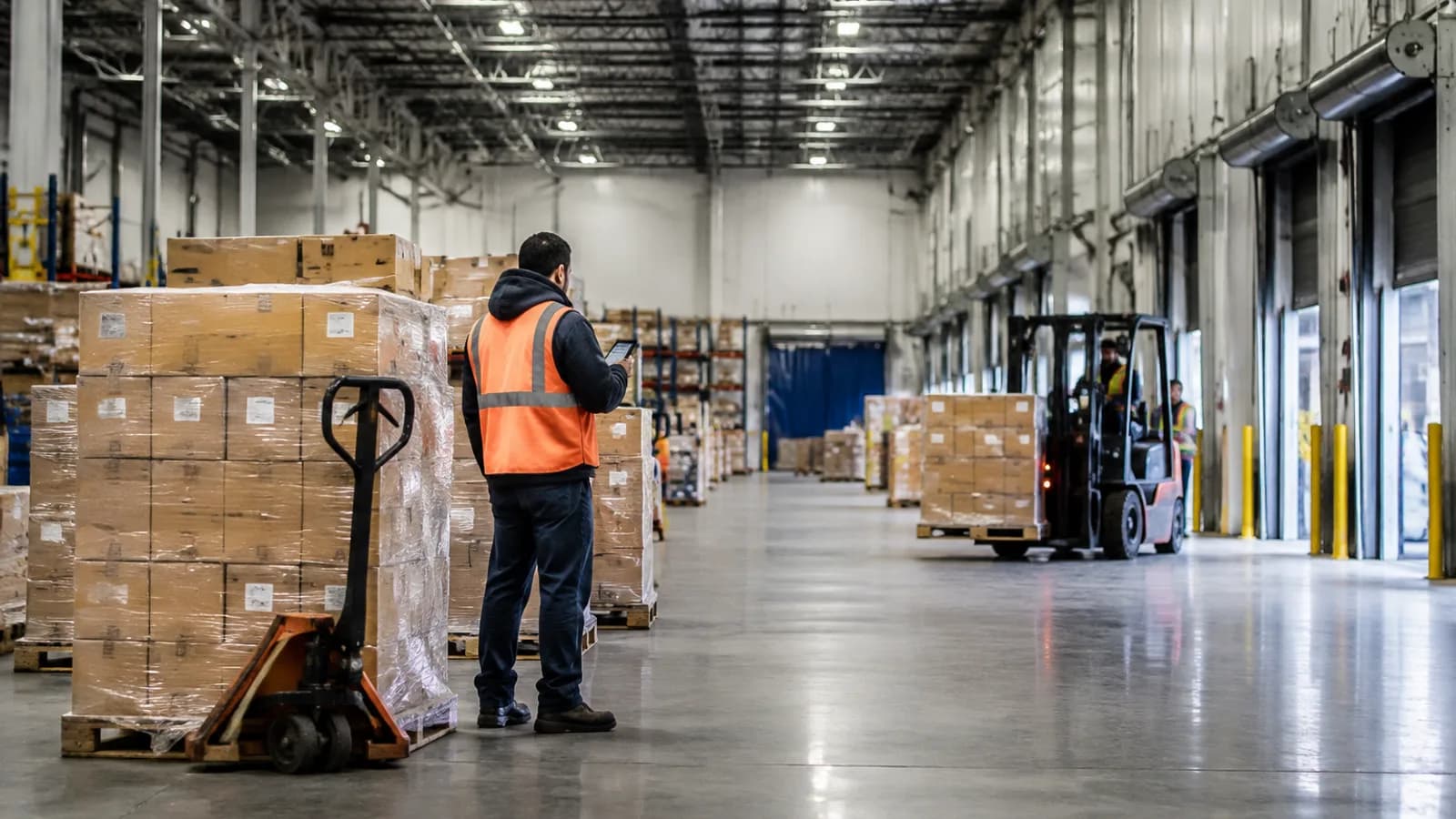
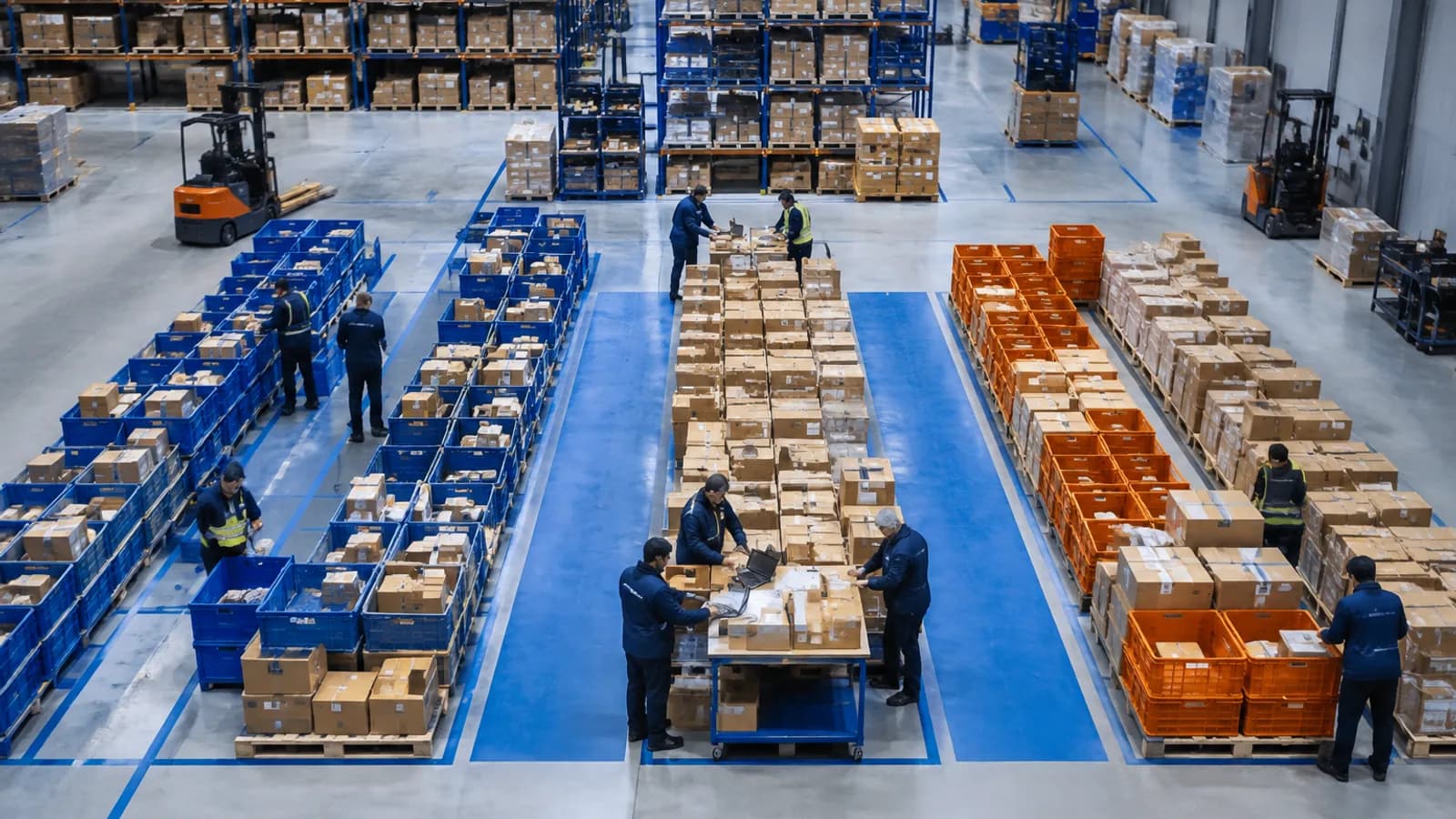
Choose controls from the failure point.
Identify what could block factory release, import entry or warehouse acceptance, then assign evidence and ownership before movement.
FCL and LCL programs that connect factory release to US or Canadian fulfillment receiving.
18-38 days port to port02Air recoveryUrgent inbound planning for launches, stockout recovery and higher-value inventory.
3-9 days airport to airport03Parcel recoveryCourier movement for samples, replacement stock and eligible smaller carton shipments.
2-7 business days04Landed handoffA controlled supplier-to-warehouse plan with importer and duty responsibilities made explicit.
Defined by main mode05Release gateChina-side receiving, count, label-position and packaging checks before international transport.
1-7 days before dispatch06Supplier intakeCombine several Chinese factories into one controlled FBA, 3PL or DTC inbound.
2-10 days before departure
Several supplier releases become one receiving record only after the physical load and data agree.
Entry evidence changes before the route does.
Importer setup, product controls and warehouse receiving requirements change the route before a booking is made.
Open the country desksTurn shipment data into a useful brief.
US FBA Receiving Plan: Factory Release to Check-In
Build a milestone file from supplier release through US import entry, appointment and fulfillment check-in.
Canada Fulfillment Intake: CARM to Warehouse Handoff
Connect Canadian importer controls and CARM delegation to release, delivery and receiving evidence.
Split Replenishment Planner: Air and Ocean for US FBA
Divide urgent and baseline units using stock exposure, carton density and receiving-window controls.
Delivered-Duty Scope Audit for FBA Inbound
Audit importer, duty, exception and receiving responsibilities before approving a delivered proposal.
North America fulfillment inbound control
North America fulfillment inbound control connects factory release, importer evidence, international movement and receiving status in one accountable record. It is designed for FBA, 3PL and DTC inventory entering the United States or Canada, with a named owner and stop condition at every handoff.
Choose a control from the failure point
Sea freight is the baseline for planned volume, air freight protects urgent replenishment and express can fit eligible small parcels. Compare the complete origin-to-receiving timeline and delivered scope for the actual cartons.
When only part of the inventory is urgent, split quantities by SKU. Move the commercial minimum by air and the balance by ocean while keeping each shipment's documents, labels and warehouse references aligned.
Resolve the importer before cargo leaves China
The FBA, 3PL or DTC receiving address is not automatically the importer. The shipment needs a legitimate importer, appointed broker, accurate classification, value, origin and product-admissibility file.
US Section 301, Canada CARM, duties, taxes, batteries and other restricted characteristics require current official sources and shipment-specific confirmation. Unverified high-risk facts should stop release rather than enter an automated plan.
Control the destination handoff
Port or airport arrival is not the final inventory milestone. Customs release, terminal or CFS handling, appointment, final delivery, receiving, discrepancy resolution and stock availability can all affect the commercial date.
The written plan should identify waiting, storage, rejection and redelivery rules plus the person who acts when a milestone slips. Proof of delivery and sellable inventory should remain separate tracking events.
Plan with the missing facts visible.
What information is needed for an FBA freight plan?
Send origin, destination, product description, value, cartons, dimensions, weight, cargo-ready date, required inventory date, Incoterm, importer status and restricted characteristics.
Should FBA inventory move by sea or air?
Use the required stock date, cargo profile, chargeable weight, volume, value and stockout exposure. Compare a split air and ocean plan when only some units are urgent.
Can Forest Leopard act as Amazon?
No. Forest Leopard is an independent logistics service and is not affiliated with or endorsed by Amazon. Marketplace decisions remain with Amazon and the seller.
How quickly will Operations respond?
The inbound desk targets an initial review within one business day after receiving a complete brief. Missing receiver, load or release facts can delay a useful response.
Define what a successful warehouse handoff means.
Send the receiving destination, product, finished load data, factory release date and required check-in window.
Build the brief