

Ocean replenishment intake
FCL and LCL programs that connect factory release to US or Canadian fulfillment receiving.
Plan this shipmentUse sea freight when inventory can absorb a longer planning window and the shipment benefits from container or consolidation economics. Compare the complete origin-to-receiving scope, not the sailing alone.
Ranges are not guarantees. Origin, customs, delivery and receiving are confirmed separately.
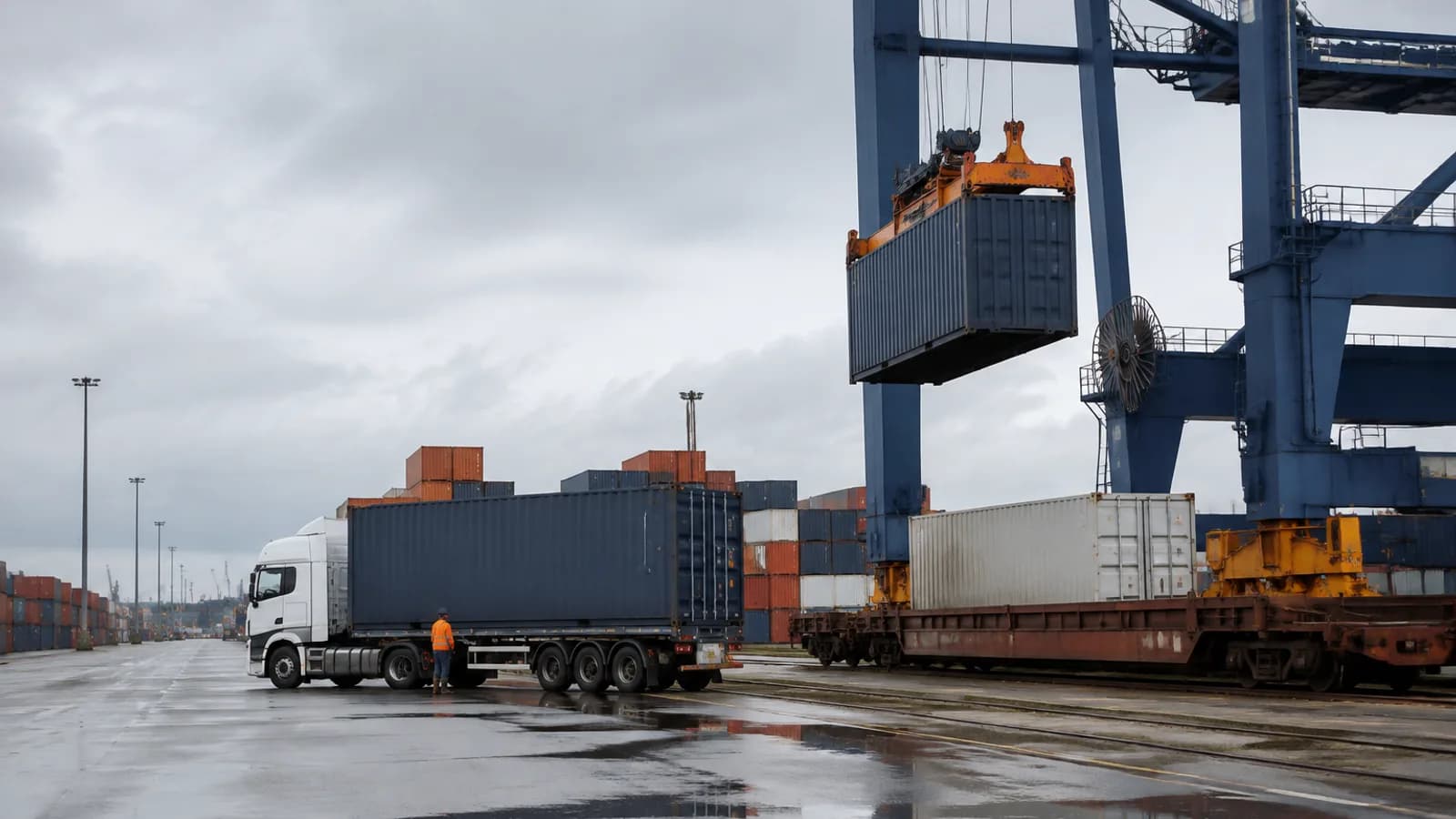
The operating plan must continue through the next controlled handoff.
Make every handoff visible.
- FCL versus LCL scope
- Supplier pickup and cutoff
- Importer and broker readiness
- Port release and final appointment
ocean replenishment intake for fulfillment inventory
This service is for sellers and importers with finished or forecastable inventory that can support an ocean planning window and needs a controlled handoff to FBA, a 3PL or a brand warehouse.
Sea freight from China to Amazon FBA works best when the usable-stock deadline can absorb origin cutoff, sailing, customs, port or CFS release, final delivery and receiving. Compare FCL and LCL on the complete warehouse-delivered scope, not only the ocean rate or advertised sailing time.
Reviewed 11 August 2026. Shipment-specific confirmation is required before booking.Build the plan from confirmed inputs.
- Main choices
- FCL, LCL or a split ocean and air replenishment
- Planning unit
- Finished cartons, cubic volume, gross weight and required stock date
- Import control
- Named importer, broker, classification, value and product admissibility
- Destination control
- Port or CFS release, appointment, delivery and rejection recovery
When ocean freight fits the inventory plan
Ocean freight is usually the practical baseline for stable replenishment, larger launches and inventory that is bulky relative to its value. The decision should begin with the date stock must be received and available, then work backward through warehouse appointment, customs release, destination handling, vessel arrival, departure cutoff and supplier completion.
Do not treat the published sailing as the total transit time. Cargo can spend additional days waiting for consolidation, a vessel connection, customs action, terminal release, a delivery appointment or warehouse receiving. A useful plan shows each milestone separately and names the person responsible for the next handoff.
FCL versus LCL for FBA and 3PL delivery
FCL gives one shipper control of the container load and can reduce handling, while LCL shares container space and introduces consolidation and deconsolidation steps. The better option depends on volume, density, packaging, supplier readiness, departure frequency, destination minimums and the cost of final delivery.
Ask for both options under the same Incoterm and destination scope. An LCL offer that ends at a CFS cannot be compared with an FCL offer that includes customs coordination and scheduled warehouse delivery. Record origin charges, destination charges, free time, storage exposure and redelivery rules before approving the route.
Documents and customs readiness before departure
The commercial invoice, packing list and transport booking should describe the same finished cargo. Product descriptions need enough detail for the importer and broker to assess classification, value, origin and any agency requirements. Marketplace labels and shipment references do not replace customs data.
Resolve the importer of record before cargo is loaded. A marketplace or fulfillment warehouse address is a delivery destination, not automatically the legal importer. If classification, valuation or product admissibility is uncertain, hold the cargo at origin until the responsible importer and broker confirm the entry plan.
Port release and the final warehouse handoff
The ocean leg is only one part of the movement. Destination planning must cover arrival notice, broker entry, customs or agency exams, terminal or CFS release, chassis or truck availability, appointment lead time and the receiving facility's rules. These activities determine when inventory can actually enter the channel.
A written exception plan should say who acts when free time is running out, an appointment is unavailable, a load is rejected or carton counts differ. Proof of delivery closes the carrier handoff, but received and sellable inventory may remain a separate milestone that the seller or 3PL must reconcile.
How to request a comparable ocean plan
Send the origin city, supplier count, cargo-ready date, destination warehouse, carton count, dimensions, gross weight, cubic volume, product description, customs value, Incoterm and required receiving date. Disclose batteries, liquids, magnets, powders, wood packaging and other restricted characteristics before booking.
The resulting plan should show assumptions, inclusions, exclusions and decision deadlines. If only part of the inventory is urgent, ask for a split option rather than moving every unit by air. Recalculate when supplier timing, dimensions, destination or import responsibilities change.
Questions to resolve before release.
Answers are planning guidance. Current carrier, customs, tax, product and receiving rules still require shipment-specific confirmation.
How long does sea freight from China to US FBA take?
Port-to-port planning ranges are commonly measured in weeks, but the usable-stock timeline also includes origin handling, customs, port release, final delivery and receiving. Request a shipment-specific range for the actual origin, gateway and warehouse.
At what volume should I choose FCL instead of LCL?
There is no universal cubic-meter threshold. Compare the actual FCL and LCL totals, handling exposure, schedule, cargo density, destination minimums and delivery requirements for the shipment.
Can sea freight be delivered directly to Amazon FBA?
It can be delivered to an eligible receiving destination when importer, customs, shipment references, labels, appointment requirements and final-mile capability are confirmed. Amazon is not the freight forwarder or automatic importer.
Does an ocean quote include duties and destination charges?
Only if the written scope explicitly says so. Confirm duties, taxes, broker fees, exams, demurrage, storage, chassis, appointment work, waiting time and redelivery separately.
Define what a successful warehouse handoff means.
Send the receiving destination, product, finished load data, factory release date and required check-in window.
Build the brief