
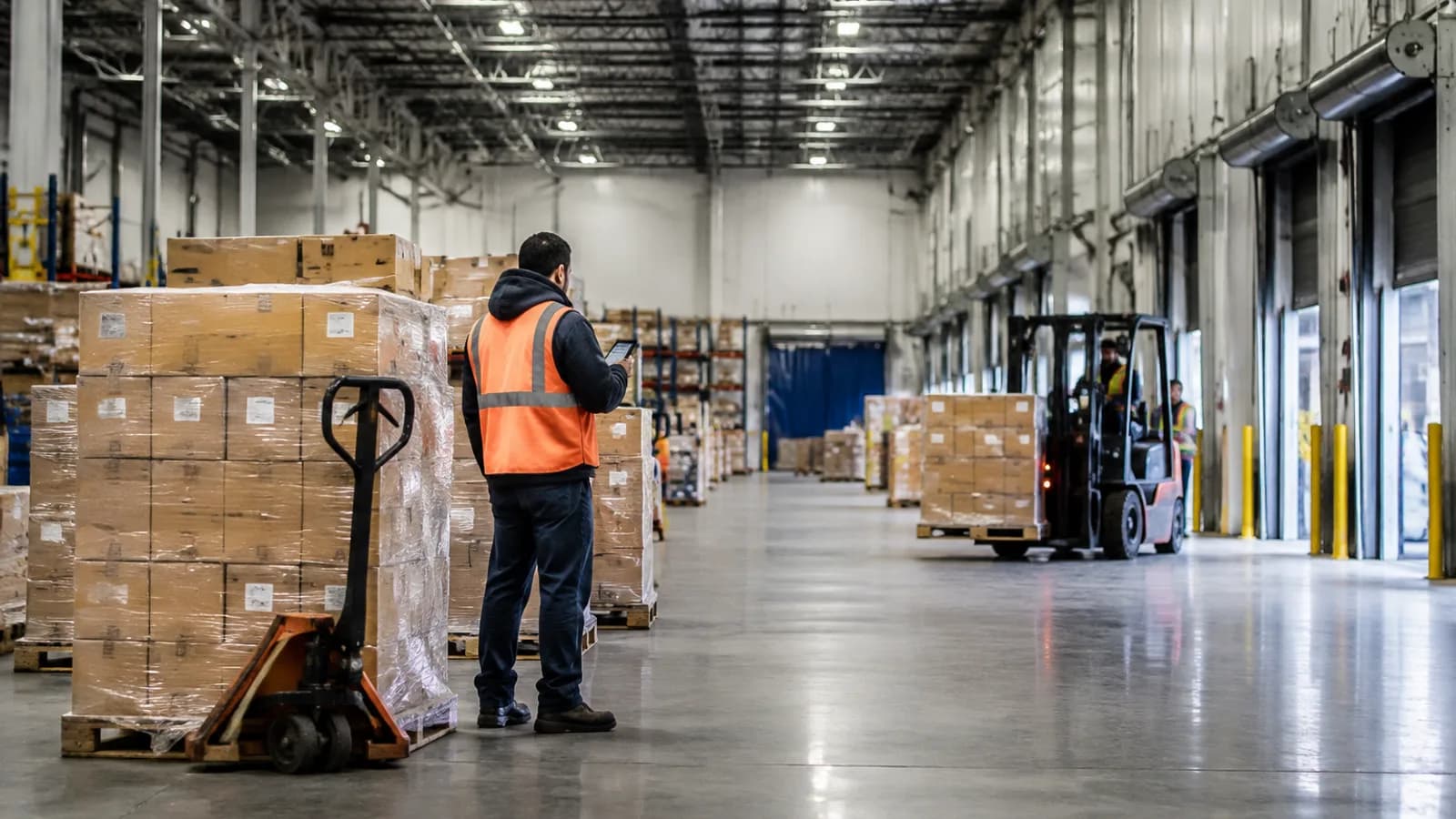
Amazon FBA receiving path
Connect the shipment plan, commercial import file and scheduled warehouse delivery.
Build this inboundReceiving requirements enter the plan before pickup.
Importer data and warehouse data describe different responsibilities. Both must be complete.
- Current shipment references
- Carton and label reconciliation
- Importer and broker process
- Appointment and recovery plan
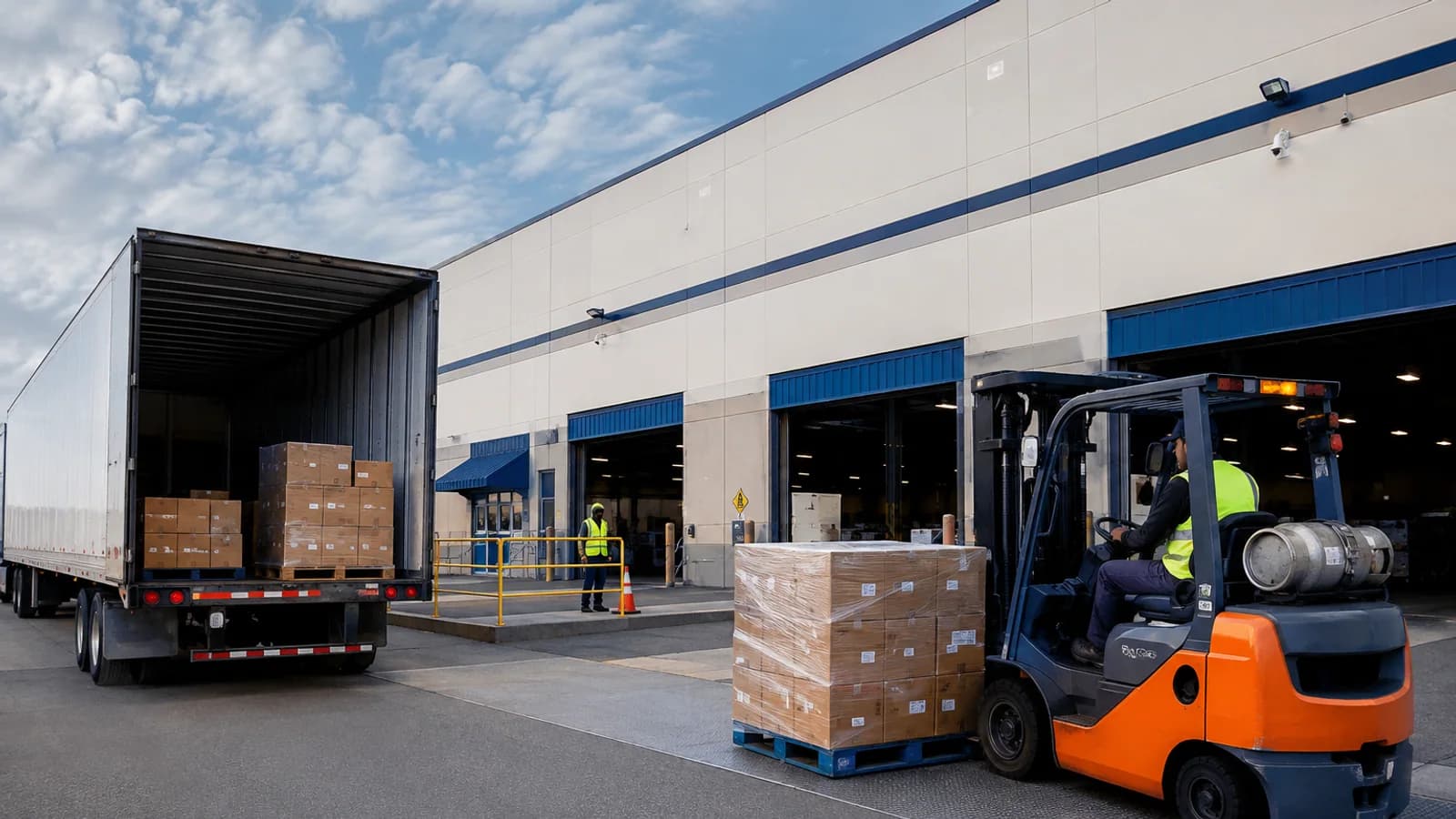
Physical delivery and inventory acceptance remain separate records.
Plan to inventory availability, not proof of delivery.
Delivery, receiving, discrepancy resolution and stock release are separate milestones.
Amazon FBA receiving handoff
This solution is for Amazon sellers moving commercial inventory from Chinese suppliers into US or Canadian fulfillment receiving networks.
Amazon FBA shipping from China requires two connected files: a lawful international import movement and a current fulfillment receiving plan. The seller must align finished cartons, commercial data, importer and broker responsibilities, shipment references, labels, final delivery and the date inventory must be available.
Reviewed 11 August 2026. Shipment-specific confirmation is required before booking.Build the plan from confirmed inputs.
- Primary milestone
- Inventory received and available, not only delivered
- Seller inputs
- Shipment plan, labels, cartons, importer and required date
- Logistics controls
- Mode, customs, appointment, delivery and recovery
- Independence
- Forest Leopard is not affiliated with or endorsed by Amazon
Start with the receiving plan
Create the current shipment or receiving instruction before booking freight. It establishes destination, carton and label requirements, references and the quantities expected by the network. A previous shipment's labels or warehouse address should not be reused without confirmation.
Set the commercial deadline as the date units must be received and available. Work backward through receiving, delivery appointment, customs release, arrival, main transport and supplier readiness. This exposes whether ocean, air, express or a split shipment fits the inventory need.
Prepare cartons and labels at origin
Send suppliers one approved label and packaging instruction. Reconcile unit counts, carton counts, dimensions and gross weights after packing because these values affect freight, customs and receiving.
Origin prep can count cartons, check agreed label positions and record exceptions before release. It reduces correctable errors but does not guarantee marketplace acceptance or replace product compliance.
Keep importer and customs responsibilities separate
A fulfillment destination is not automatically the importer of record. The seller's import structure must identify the lawful importer, broker authority, classification, value, origin and product-agency evidence before cargo departs China.
Commercial descriptions should explain what the product is made of and how it is used. Marketplace SKU names are rarely sufficient for customs. High-risk classification, duty and restricted-product decisions require current official sources and broker review.
Choose freight around inventory exposure
Ocean freight supports planned replenishment and larger volume. Air protects urgent inventory but depends on chargeable weight and cargo acceptance. Express can fit eligible small parcel movements. Compare complete origin-to-receiving scopes rather than headline transit or rate.
When only part of the stock is urgent, split the shipment by SKU and quantity. Keep each movement's labels, invoice, packing list, entry and receiving reference aligned so speed does not create reconciliation errors.
Control final delivery and receiving exceptions
Final-mile providers need the current address, references, carton or pallet data, delivery window and appointment capability. Confirm waiting, rejection, storage and redelivery rules before dispatch.
Track proof of delivery and fulfillment receiving as separate events. If quantities are missing, damaged or delayed in check-in, preserve carton evidence and open the correct operational case while the transport record is still available.
Questions to resolve before release.
Answers are planning guidance. Current carrier, customs, tax, product and receiving rules still require shipment-specific confirmation.
Can a freight forwarder ship directly to Amazon FBA?
Yes, when the import, shipment references, labels, destination and receiving requirements are ready and the selected final-mile service supports the handoff.
Does Amazon act as importer of record?
Do not assume that a fulfillment center acts as importer. Establish the importer and broker process independently and follow current marketplace guidance.
What is the best shipping method for FBA?
The best method depends on ready date, required stock date, volume, chargeable weight, value, product restrictions and inventory exposure. A split air and ocean plan is often worth comparing.
What data is needed for a quote?
Send origin, destination, product, value, cartons, dimensions, weight, ready date, required receiving date, Incoterm, importer status and restricted characteristics.
Define what a successful warehouse handoff means.
Send the receiving destination, product, finished load data, factory release date and required check-in window.
Build the brief